



Barolo
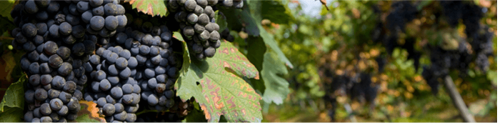
Known as the king of wines, it is potent, complex and long-lived wine made from the Nebbiolo grape. The appellation is spread over 2,134 ha in total and consists of several villages and communes. divided into a multitude of individual vineyard sites and crus similar to Burgundy, with many producers owning small plots of the individual crus.
The main winemaking approach is a long maceration of Nebbiolo grapes - between 30 to 60 days -followed by a long maturation period in large old casks for a minimum of 38 months. And many producers often choose to age their wines even longer than this because of the intense fruit and powerful tannins of their grapes.
The combination of microclimate, altitude, soil, exposition and each winemaker’s individual touch is what makes every Barolo different. And in the main communes such as Serralunga, Castiglione Falletto, and La Morra, their Barolos are renowned for certain characteristics unique to each of them, due to their differing soils and exposition.
Barolo

-
Wine Advocate (95)
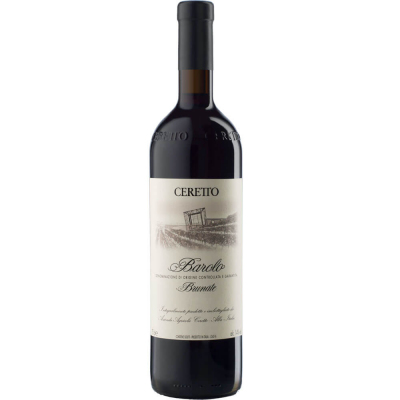
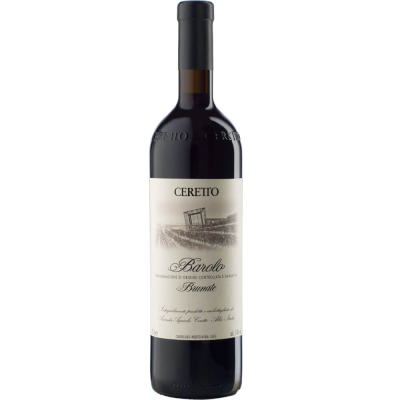
The organic 2018 Barolo Brunate is angular and firm. Despite the softer character of the vintage, you still feel the tannins and the structure of this celebrated MGA site. There is balsam herb, dried lavender, rose and candied cherry. The wine is generous and round.HK$3,895.00 -
Wine Advocate (96)
This wine sources its fruit from one of the headline vineyards in La Morra. Ceretto is indeed lucky to have such a beautiful site, which measures 5.6 hectares. The 2020 Barolo Brunate, made with organic fruit, is a wine of energy and tension. This vintage delivers extra power as well. It proceeds over the palate with pretty tightness and texture, underlined by finesse and length. Red and purple fruits abound, as do light shadings of earth and spice. It ages in oak for a total of three years.HK$4,490.00 -
Wine Advocate (97)
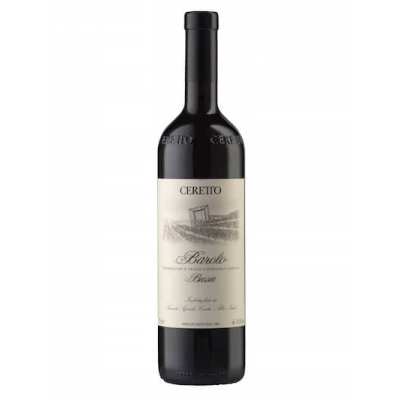
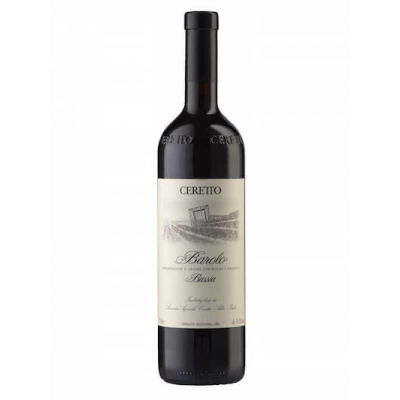
This is the second vintage created after Ceretto started farming in Monforte d'Alba. Specifically, the 2016 Barolo Bussia sees fruit sourced from Bussia Soprana, one of the various subdivisions of the larger Bussia cru. I loved the inaugural 2015 vintage, and my initial impression of 2016 evokes that same excitement. This is a worthy addition to the Ceretto portfolio; it's a wine that offers enormous silkiness and textural finesse. Those beautiful Nebbiolo aromas are all there—the wild cherry, licorice and rust—but I am particularly impressed by the soft elegance of the mouthfeel, which gives equal space to fruity sweetness, acidity and structure. It's not as long as the outstanding Bricco Rocche (from Castiglione Falletto), but almost.HK$9,675.00 -
Wine Advocate (97)
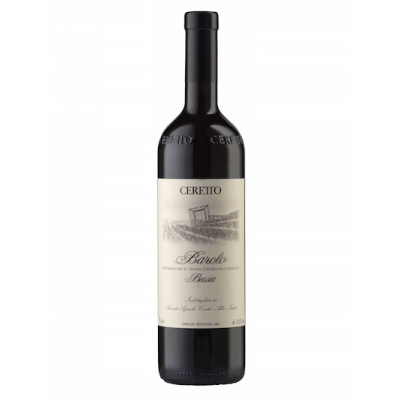
This is the second vintage created after Ceretto started farming in Monforte d'Alba. Specifically, the 2016 Barolo Bussia sees fruit sourced from Bussia Soprana, one of the various subdivisions of the larger Bussia cru. I loved the inaugural 2015 vintage, and my initial impression of 2016 evokes that same excitement. This is a worthy addition to the Ceretto portfolio; it's a wine that offers enormous silkiness and textural finesse. Those beautiful Nebbiolo aromas are all there—the wild cherry, licorice and rust—but I am particularly impressed by the soft elegance of the mouthfeel, which gives equal space to fruity sweetness, acidity and structure. It's not as long as the outstanding Bricco Rocche (from Castiglione Falletto), but almost.HK$4,760.00 -
Jancis Robinson (17++)
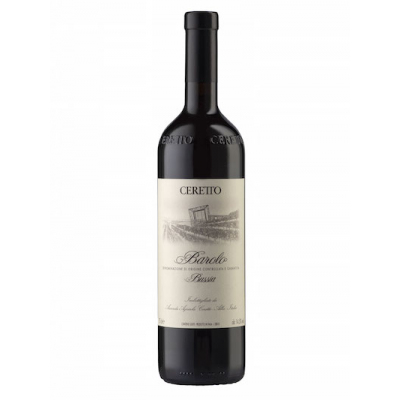
Monforte d'Alba. Just mid ruby. Rich, full cherry fruit of great depth and focus. A little less sensuous and nervier on the palate than Brunate. Sappy raspberry and cherry fruit over a layer of firm, grainy tannins. The acidity lifts the fruit but right now it is a little austere and needs more time. Long, fragrant raspberry fruit turns up at the end.HK$3,380.00 -
James Suckling (95)
Quite a tight nose for now, but already showing lovely aromas of raspberries, together with perfumed, stony minerals and roses. Full-bodied with a compact palate and an array of firm, spicy tannins that builds steadily through the finish. This is excellent Barolo that’s only just beginning its journey. Tiny production. Cellar it until at least 2025.HK$2,950.00 -
 (6x75cl) 2020
Wine Advocate (95)
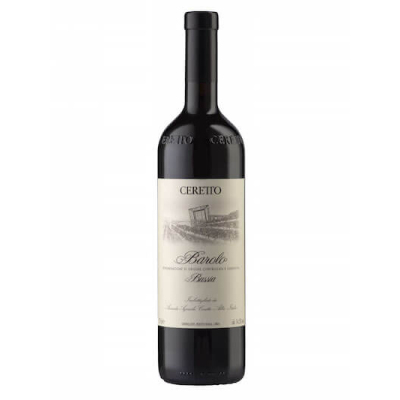
The Ceretto 2020 Barolo Bussia comes from a tiny 0.7-hectare site in Bussia Soprano with 25-year-old vines. It offers a dark character of fruit with more richness, succulence and a slightly softer texture. This wine offers volume and depth with lots of purple and dark fruit at its core. The aging regime sees 12 months in French oak followed by an additional 24 months in larger barrel.HK$7,090.00 -
 HK$6,905.00
 -
 HK$6,905.00
 -
 HK$6,615.00
 -
Vinous (96+)
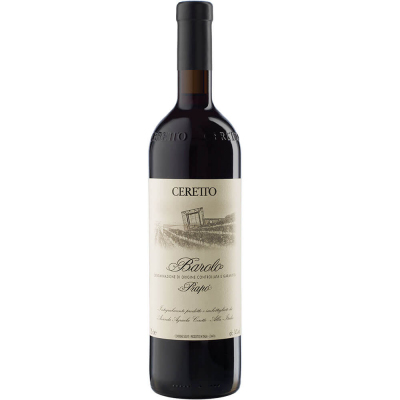
The 2010 Barolo Prapò is one of the most beautiful young Barolos I have tasted from Ceretto in a long time. Deep, layered and beautifully expressive, yet also mysterious, the 2010 exudes class and that warm, Serralunga resonance that is unique to the Barolos of the village. Sage, roasted coffee beans, licorice and new leather are some of the notes that emerge over time, all framed by firm, muscular tannins that suggest a long life lies ahead. Today, the 2010 Prapò is majestic. It also has plenty of room to grow from here.HK$5,405.00 -
 (1x300cl) 2011
Vinous (94+)
The 2011 Barolo Prapò is just as impressive as it has always been. In 2011, the Prapò has retained considerable freshness as well as a real sense of verticality and lively acidity. The flavors are bright, precise and beautifully articulated throughout, with attractive citrus, blood orange, mint and cinnamon overtones. This is a rare 2011 Barolo that demands cellaring.HK$2,530.00 -
Vinous (95)
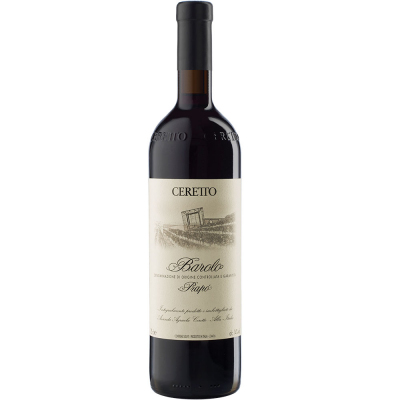
The 2013 Barolo Prapò shows quite a bit more Serralunga muscle and power than it did when I last tasted it. The tension between the wine's elegance and its more natural leanings towards power is utterly compelling. Orange zest, cinnamon, dried flowers, iron and smoke infuse the deep, resonant finish. Not surprisingly, the 2013 appears headed into a period of dormancy. I wouldn't touch a bottle anytime soon.HK$5,170.00 -

Vinous (94)
Ceretto's 2014 Barolo Prapò is gorgeous. Lifted, perfumed and full of life, the Prapò is a terrific example of the year. The 2014 captures the brooding personality of Serralunga beautifully while retaining a striking sense of translucency and overall nuance. Muscular, sinewy tannins enshroud this deceptively mid-weight Barolo from Ceretto.HK$720.00 -
Vinous (94)
Ceretto's 2014 Barolo Prapò is gorgeous. Lifted, perfumed and full of life, the Prapò is a terrific example of the year. The 2014 captures the brooding personality of Serralunga beautifully while retaining a striking sense of translucency and overall nuance. Muscular, sinewy tannins enshroud this deceptively mid-weight Barolo from Ceretto.HK$5,730.00 -
Wine Advocate (95+)
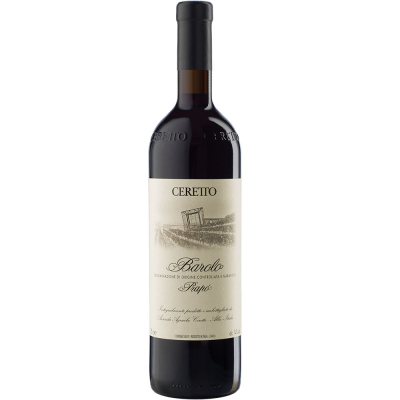
The 2015 Barolo Prapò is a gorgeous expression of this vineyard site in Serralunga d'Alba, with an incredible sense of textural fiber that is so fine and tightly knit. The mouthfeel is extremely polished and silky. Like other Barolos from Ceretto, it almost seems a shame to distract attention from this craftsmanship with flavors from a heavy meal, and so it might be better to cellar it for a decade and then celebrate it with fine cheeses or pâté. Some 7,000 bottles were produced.HK$4,930.00 -
Wine Advocate (95+)
The 2015 Barolo Prapò is a gorgeous expression of this vineyard site in Serralunga d'Alba, with an incredible sense of textural fiber that is so fine and tightly knit. The mouthfeel is extremely polished and silky. Like other Barolos from Ceretto, it almost seems a shame to distract attention from this craftsmanship with flavors from a heavy meal, and so it might be better to cellar it for a decade and then celebrate it with fine cheeses or pâté. Some 7,000 bottles were produced.HK$4,760.00 -
Wine Advocate (97)
The Ceretto 2016 Barolo Prapò draws its fruit from Serralunga d'Alba and is, as expected, the most powerful and structured of the various single-vineyard wines presented by this ambitious estate. The fruit veers toward darker nuances with plum, dark cherry and dried blackberry. The mouthfeel is rounder and fuller, fleshed out considerably in all the nooks and crannies, with the bigger impact of sheer Nebbiolo personality. This is your proverbial red-meat Barolo. This site is one of the last to ripen, awarding the grapes ample time to reach maturity at a slow and careful pace.HK$4,170.00 -
James Suckling (96)
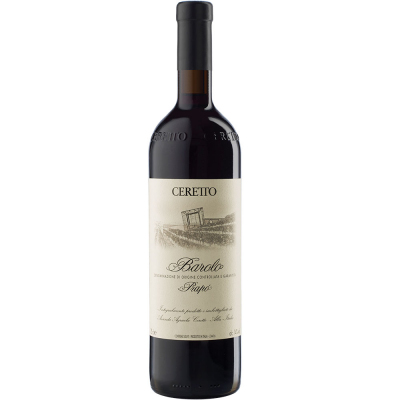
Aromas of dried strawberries, cherries, charcoal and dried flowers follow through to a full body with tight, chewy tannins that are well integrated into the wine. It shows black truffle and berry in the aftertaste. Needs at least four years to open, so try after 2025.HK$3,620.00 -
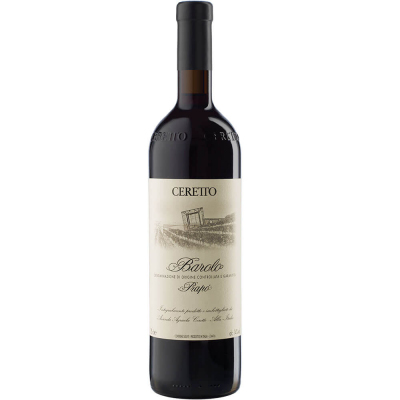
Wine Advocate (96)
The 2018 Barolo Prapò is firm, structured and built like a little tank. This organic wine showcases that distinctive power that is always part of the Serralunga d'Alba playlist and defies even this lower-intensity vintage. The bouquet shows dark fruit, ferrous earth and crushed stone. The mineral character is strong in this wine.HK$4,445.00 -
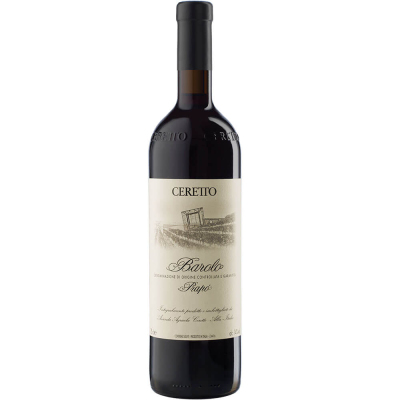 (6x75cl) 2020
Wine Advocate (96+)
We are on a roll. With fruit from Serralunga d'Alba, the organic Ceretto 2020 Barolo Prapò is extremely tight and linear with an almost crunchy quality. I love the wine's aromas of orange peel, graphite and pencil shaving. It's got it all. The Prapò remains finely textured and finessed. This particular site is distinguished by a long harvest that can exceed 10 days in certain vintages. This makes for very slow-ripening fruit, and timing the harvest correctly is a challenge.HK$6,955.00 -
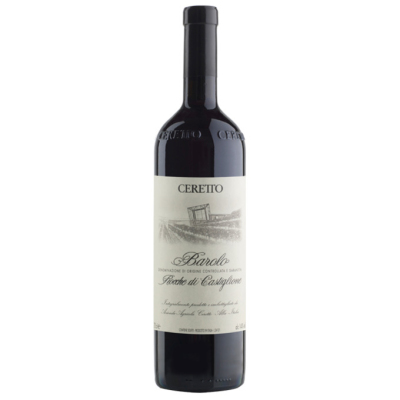 (6x75cl) 2019HK$6,480.00
 -
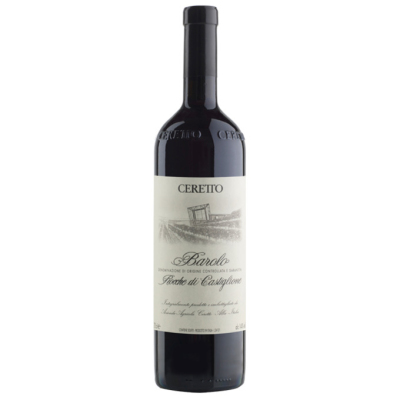 (6x75cl) 2020
Wine Advocate (96)
This is a relatively new wine in the Ceretto portfolio. The organic 2020 Barolo Rocche di Castiglione comes from one of my favorite sites in Castiglione Falletto that delivers impressive quality year after year. These wines are distinguished by their exacting focus and their fruit purity. This vintage offers a momentary touch of sweetness that is almost fleeting in nature, but it adds a touch more volume and overall momentum. It spreads beautifully over the palate, imparting a salty, mineral-laced finish. This Barolo is aged in French oak for 12 months followed by an additional two years in larger oak. Rocche di Castiglione is characterized by loose soils, and the bedrock underneath is exposed in places. It enjoys southeast exposures that give it a slightly cooler climate, and the vines are planted on an impossibly vertical slope.HK$7,090.00 -

Vinous (92)
Very good deep red. Slightly roasted, floral aromas of strawberry jam, plum and licorice. Rich and chewy in the mouth, with the brightness and firm grip of the vinage. The wine strong material handles the new oak gracefully. Finishes quite long and ripe, with chewy tannins.HK$8,715.00 -
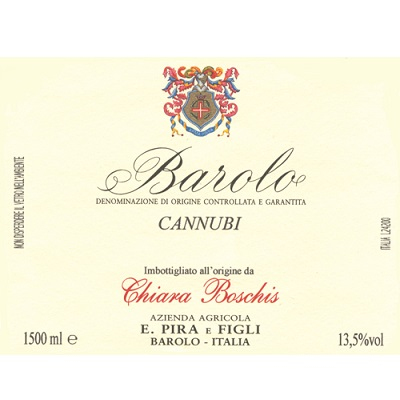
Vinous (93)
The 2001 Barolo Cannubi, a rich ruby, presents a complex, multi-dimensional nose of flowers, sweet fruit and toasted oak. The beautiful 2001 version is classic in every way, revealing layers of sweet fruit, licorice, tar, mineral and toasted oak flavors, with great length and freshness on the finish. It is a wine of great class and elegance.HK$5,120.00 -
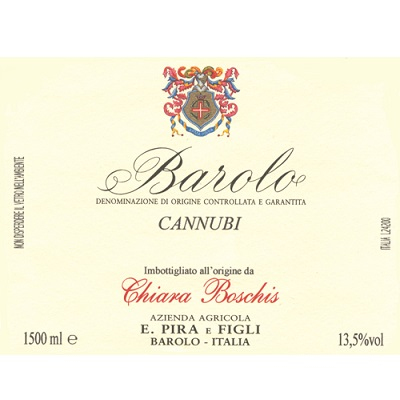
Vinous (94)
The 2006 Barolo Cannubi shows the warmth of this south-facing site in its open, generous bouquet. The Cannubi reveals more opulence and roundness than the firmer Via Nuova in an expansive, generous expression of dark red fruit that covers the palate from start to finish. Sweet spices and flowers add complexity on the long, round close. This is another drop-dead gorgeous Barolo from Chiara Boschis.HK$8,715.00 -
 (6x75cl) 2011
Vinous (94)
The 2011 Barolo Cannubi is striking. Rose petals, hard candy, and sweet spices all meld together in a silky, super-expressive Barolo endowed with superb depth and persistence. A dollop of sweetness from the new French oak is evident, but overall, the 2011 is a fairly classic-feeling Barolo. The seamless, pliant finish gives the 2011 tons of near-term appeal, but there is also more than enough depth to allow the 2011 to develop beautifully in bottle for years to come.HK$3,690.00 -

Vinous (95)
The 2012 Barolo Cannubi is super-finessed, open-knit and gracious, with striking aromatic lift and plenty of precision. Bright red stone fruit, chalk and white pepper give the 2012 its distinctive aromatic signatures. Soft tannins and exceptional balance add to the wine's considerable appeal. The 2012 is a bit more buttoned up than it was last year, but every bit as beautiful. This is a gorgeous Barolo from Chiara Boschis.HK$1,015.00 -
 (6x75cl) 2014
Vinous (93)
The 2014 Barolo Cannubi from Chiara Boschis is soft, supple and surprisingly giving at this early stage. Exotic spice and citrus overtones add to wine's considerable allure. Succulent red cherry, cinnamon, orange peel and rose petal notes all lift from the glass in this gracious, sublime Barolo. This is one of the more accessible 2014s I tasted during my fall trip. Given its midweight structure, the 2014 Cannubi may turn out to have a relatively short life, but then again, Nebbiolo often surprises. Today, the wine is exceptionally beautiful.HK$6,055.00 -
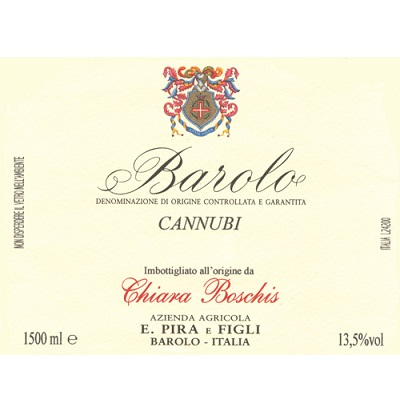
Vinous (92)
The 2015 Barolo Cannubi is silky, perfumed and gracious, all qualities that are remarkable in this vintage. Even so, the Cannubi remains a soloist more than an orchestra. Floral and spice notes add lift to this super-expressive, nuanced Barolo from Chiara Boschis. Overall, though, the 2015 is a touch slender and not quite as expressive as the two other Barolos in the range. The 2015 was aged 2/3rds in cask and 1/3rd in barrique.HK$1,720.00
Known as the king of wines, it is potent, complex and long-lived wine made from the Nebbiolo grape. The appellation is spread over 2,134 ha in total and consists of several villages and communes. divided into a multitude of individual vineyard sites and crus similar to Burgundy, with many producers owning small plots of the individual crus.
The main winemaking approach is a long maceration of Nebbiolo grapes - between 30 to 60 days -followed by a long maturation period in large old casks for a minimum of 38 months. And many producers often choose to age their wines even longer than this because of the intense fruit and powerful tannins of their grapes.
The combination of microclimate, altitude, soil, exposition and each winemaker’s individual touch is what makes every Barolo different. And in the main communes such as Serralunga, Castiglione Falletto, and La Morra, their Barolos are renowned for certain characteristics unique to each of them, due to their differing soils and exposition.