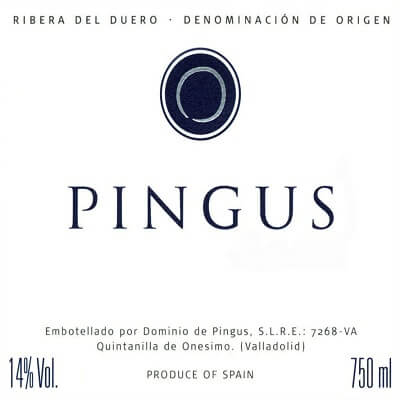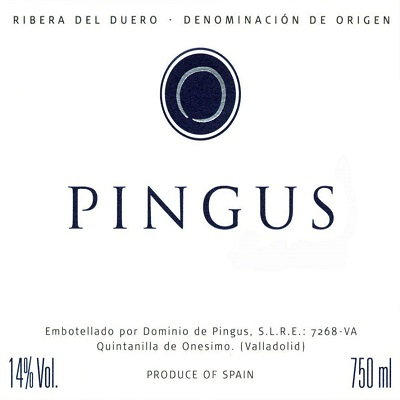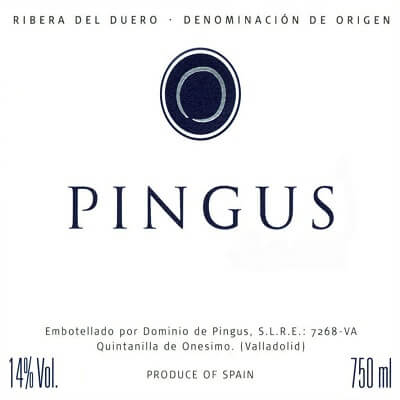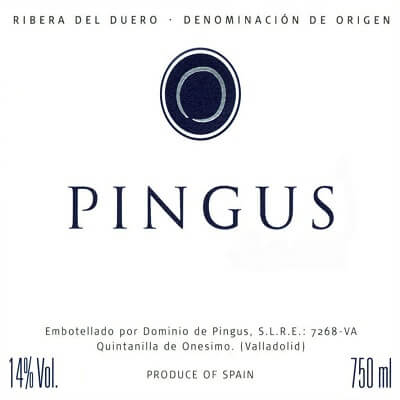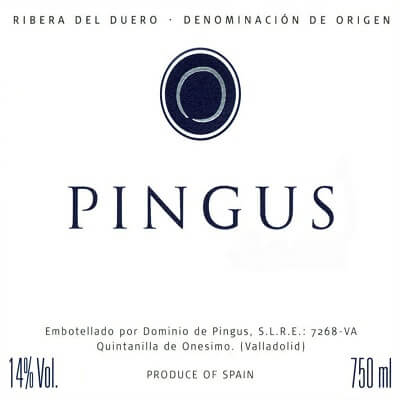




Dominio de Pingus
About Dominio de Pingus
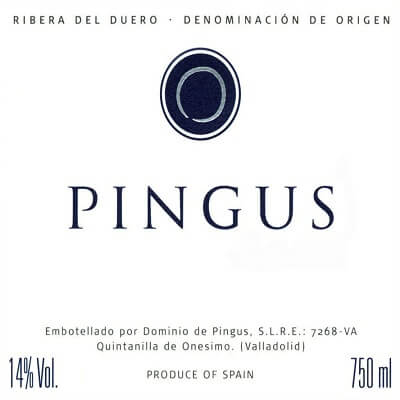
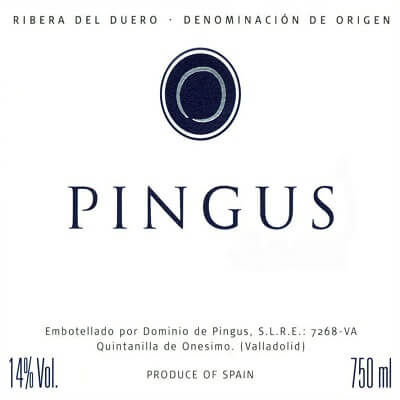
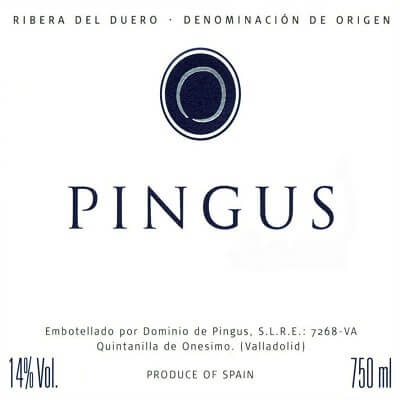
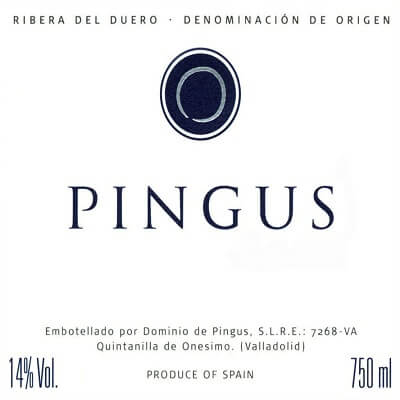
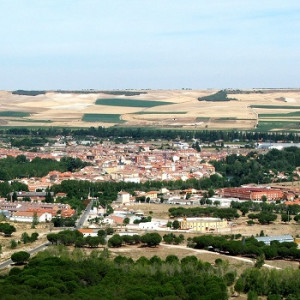
Nestled in the La Horra appellation of Ribera del Duero, Dominio de Pingus is an estate par excellence in the region, rising to consistently challenge and often surpass the mighty Vega-Sicilia.
Founded and run by a global fine wine icon, oenologist Peter Sisseck is something of an enigma. Born in Denmark, fate and an unrelenting love for the terroir of Spain’s rugged Ribera del Duero led the masterful vigneron to establish what has become a truly legendary estate in 1995. Rising further into the stratosphere than perhaps even Sisseck anticipated, given the relatively unknown nature of Ribera del Duero at the time (Vega-Sicilia aside of course), Pingus has transcended boundaries and oceans to be considered an equal of the grandest names of Bordeaux, the rarest crus of Burgundy and the smallest cult labels of Napa.
Viniculture
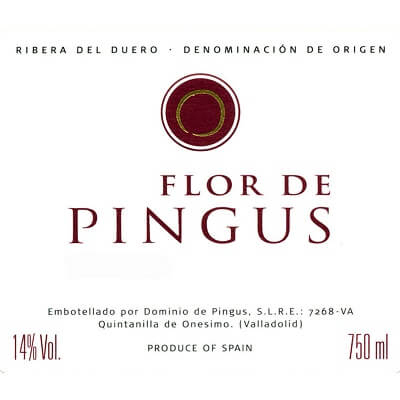
There are currently 3 wines produced by the estate: Flor de Pingus, a single barrel cuvée called Amelia (which began in 2003), and the flagship Pingus. In a normal vintage, there are usually about 4,000 cases of Flor de Pingus, 500 cases of Pingus and just 25 cases of Amelia. The vines are all over 35 years of age and have been farmed biodynamically since 2005.
The first vintage of Pingus was in 1995. The vines producing this fantastic wine are all at least 65 years of age and yields are typically under 1 ton per acre. The wine is 100% Tempranillo and is bottled without fining or filtration.

| Product Name | Region | Qty | Score | Price | |||||
|---|---|---|---|---|---|---|---|---|---|
|
|
Castilla y Leon | 5 | 96+ (VN) | HK$8,235.00 | |||||
Vinous (96+)Deep, bright ruby. Extraordinarily complex, lively nose combines black raspberry, bitter chocolate, nutmeg and an intriguing suggestion of roasted herbs. Amazingly rich and smooth in the mouth; truly explosive fruit offers superb vinosity and snap. Like liquid velvet but with great clarity of flavor. Builds in intensity and seems to grow thicker on the back half. The huge finishing fruit coats the entire palate. Amazing juice. |
|||||||||
|
|
Castilla y Leon | 1 | 98 (WA) | HK$85,905.00 | |||||
Wine Advocate (98)The 2006 Pingus is a spectacular effort. A glass-staining saturated opaque purple, it delivers an other-worldly perfume of smoke, lavender, mineral, scorched earth, and an amalgam of kinky black fruits. Voluptuous on the palate in a measured way, it has superb balance, layered, complex flavors, ripe tannin that is entirely covered by the fruit, and a decade of aging potential. This monumental wine will evolve effortlessly for 10-15 years and offer a drinking window extending from 2016 to 2036. |
|||||||||
|
|
Castilla y Leon | 1 | 99 (DC) | HK$57,525.00 | |||||
Decanter (99)I tried this wine first at the time of release and it shocked me. Classic Pingus, oaky and muscular, was transformed into a jewel of infinite delicacy, with a pure and precise fruit expression, fine-grained tannins (not a hint of oak tannins), joyously open on the finish. Ten years later, the wine has gained in complexity, while keeping a youthful profile and extending its already persistent finish. I am sure that it will continue to reach new heights, but I couldn't be able to refrain from drinking it now if I could. The satin of Burgundy and the fine detailing of Bordeaux, all in one wine. |
|||||||||
|
|
Castilla y Leon | 2 | 95 (WA) | HK$14,300.00 | |||||
Wine Advocate (95)As with all the 2011s, the 2011 Pingus is riper, with never-seen-before alcohol levels (15.5%), but the wine feels extremely balanced. As usual, the highly-selected grapes were fermented in 2,000-liter oak vats with indigenous yeasts and aged for 22 months in second-and third-fill barrels. It is ripe and exuberant, with notes of violets, spices (curry!), smoky peat and umami-like meat-broth aromas. The palate is full-bodied, glyceric with sophisticated tannins, but plenty of them, so they need to calm down a little. I believe there will be a lot of people who will really love this 2011, it's showy and exuberant. 6,000 bottles produced. Drink 2016-2020. |
|||||||||
|
|
Castilla y Leon | 1 | 95 (WA) | HK$18,705.00 | |||||
Wine Advocate (95)As with all the 2011s, the 2011 Pingus is riper, with never-seen-before alcohol levels (15.5%), but the wine feels extremely balanced. As usual, the highly-selected grapes were fermented in 2,000-liter oak vats with indigenous yeasts and aged for 22 months in second-and third-fill barrels. It is ripe and exuberant, with notes of violets, spices (curry!), smoky peat and umami-like meat-broth aromas. The palate is full-bodied, glyceric with sophisticated tannins, but plenty of them, so they need to calm down a little. I believe there will be a lot of people who will really love this 2011, it's showy and exuberant. 6,000 bottles produced. Drink 2016-2020. |
|||||||||
|
|
Castilla y Leon | 2 | 100 (WA) | HK$15,695.00 | |||||
Wine Advocate (100)I don't think I've ever tasted a wine more recently bottled than the 2014 Pingus, which was bottled in the morning and I tasted it that very same evening! Peter Sisseck compares this to the 1995, the first vintage ever produced, when he learned that when you have such perfect grapes, you should do very little to the wine. He's been trying to replicate that first vintage, but there's nothing you can do to force it, as it has to be the natural conditions of the vintage that bring those grapes. What he also learned with the 1995 was that with wines like that, you need a long and slow aging in oak; so for the 2014, he decided to do a little longer élevage—three winters in barrel—but in 100% used barrels, something he started in 2012. If it would have been new oak, as in the past, it would have been impossible to have such extended aging without marking the wine too much and possibly forever. The wine was quite tannic to start with, but it was racked every six months, and in that way they have managed to tame those tannins without getting the wine tired, as the aging itself was quite reductive. The nose is quite harmonious and open, but maybe not very expressive, a normal thing considering the extremely short bottle age it had (hours!), but it should gain precision in bottle. In instances like this, you have to guide yourself by the palate. And it's precisely on the palate where you find that texture that is almost unique to Ribera del Duero when it's as perfect as this. It's very different from other zones, a velvety mouthfeel and a surrounding sensation of comfort, incredibly long. The tannins are ultra fine and with that subtle chalkiness of the limestone soils, which also added to the tastiness and the supple aftertaste. In short, I cannot think of a way of improving this Pingus other, than getting a magnum instead of a regular bottle! Congratulations, Peter Sisseck! 4,800 bottles were filled on January 16th of 2017, a slightly shorter production than the average, because part of the vines were hit by hail and didn't make it into the final blend. Now stay tuned for 2015 and 2016. |
|||||||||
|
|
Castilla y Leon | 1 | 100 (WA) | HK$88,850.00 | |||||
Wine Advocate (100)I was really looking forward to the 2016 Pingus in bottle, as the sample I tasted last time promised to be one of the best (if not the best!) Pinguses to date. Few (if any) vintages of Pingus have shown such integration of the oak, especially considering the wine is so extremely young. It has precision and symmetry, elegance and austerity à la Audrey Hepburn. This 2016 is like an updated version of the 1996, produced with a lot more knowledge that helped them find this purity, freshness and elegance. Peter Sisseck described it as seamless, and I could only agree. He also said that this is probably his ideal of what the wine from Ribera del Duero should be. The wine was kept in barrel for an extra couple of months and was finally bottled in August 2018; there were 8,100 bottles produced. It delivered all the sample promised, and perhaps a bit more... |
|||||||||
|
|
Castilla y Leon | 1 | 100 (WA) | HK$52,675.00 | |||||
Wine Advocate (100)I was really looking forward to the bottled version of the 2018 Pingus after a great showing of the cask sample last year. Part of the wine matured in 20,000-liter oak casks, so it's not all barrique. This is the first time they used the vats, and based on the results, Sisseck thinks in the future Pingus will be around 50% in oak vats. The Pingus vines were planted in 1929 in two different sectors of the village of La Horra, Barroso and San Cristobal and contain some 2% other varieties. The vineyards are certified organic and biodynamic and are manicured like few vineyards in Spain. The wine is subtle and harmonious, elegant and insinuating, with all the components in very good balance. This is precise and pure; Sisseck is thorough and meticulous, and the wine shows that precision. This follows the line of the 2016, showing very well even if it was bottled only one month before I tasted it. 9,300 bottles were filled in August 2020. |
|||||||||
|
|
Castilla y Leon | 1 | 99 (WA) | HK$20,760.00 | |||||
Wine Advocate (99)I tasted the bottled 2019 Pingus two weeks after bottling. Even at this early stage and after the operation, the wine is super harmonious and elegant. They really outdid themselves here and produced an amazingly fresh, aromatic and harmonious wine in a warm vintage. It's incredibly textured, with refined, very fine-grained and chalky tannins. It's very balanced, and there's no excess of anything; it has 14% alcohol, perfect ripeness and a velvety mouthfeel. It gets more floral with time in the glass, getting nuanced and really interesting. It delivers what the barrel sample promised one year ago, when the wine already surprised me. I think the word that best describes this wine is precision—it's clean, focused, balanced and delineated. Bravo! 7,900 bottles produced. It was bottled in September 2021. |
|||||||||
|
|
Castilla y Leon | 2 | - | HK$15,805.00 | |||||
|
|
Castilla y Leon | 1 | - | HK$6,205.00 | |||||
|
|
Castilla y Leon | 1 | 100 (WA) | HK$16,215.00 | |||||
Wine Advocate (100)Sisseck believes the texture of the 2021 Pingus is the finest he has achieved since the beginning and something that the Tempranillo does very well. There is a chalky feeling, which is not surprising, because the mother rock is pure limestone—even if some plots (Barroso) have more clay on top, deeper down is hard limestone and some sandstone. There is a sense of harmony and purity that I see in most of the 2021s. There's more depth, more concentration and more tannin here, and it's a wine for the very long haul; it's very, very young, but it's super harmonious and balanced. There's energy, clout and power but with great finesse. They have learned to control the extraction, and all of the grapes fermented with indigenous yeasts (each plot ferments on its own, there's no pied de cuve or anything); they are very careful to decide the moment they press, tasting a lot with a lot of precision, getting samples and sitting down to taste every day after the wine has fermented dry. He fermented the wine with some 30% of the clusters, which are selected at the sorting table when they see a perfect bunch. When they have full clusters, they have to do a delicate pigeage (not the case in 2022, but he used some in 2023). This is a super elegant and powerful Pingus that should age for a very, very long time in bottle. It very much follows the style of the years I like the most: 1996, 2016 and 2018. 7,974 bottles were filled in June 2023. |
|||||||||
|
|
Castilla y Leon | 1 | 100 (WA) | HK$9,195.00 | |||||
Wine Advocate (100)Sisseck believes the texture of the 2021 Pingus is the finest he has achieved since the beginning and something that the Tempranillo does very well. There is a chalky feeling, which is not surprising, because the mother rock is pure limestone—even if some plots (Barroso) have more clay on top, deeper down is hard limestone and some sandstone. There is a sense of harmony and purity that I see in most of the 2021s. There's more depth, more concentration and more tannin here, and it's a wine for the very long haul; it's very, very young, but it's super harmonious and balanced. There's energy, clout and power but with great finesse. They have learned to control the extraction, and all of the grapes fermented with indigenous yeasts (each plot ferments on its own, there's no pied de cuve or anything); they are very careful to decide the moment they press, tasting a lot with a lot of precision, getting samples and sitting down to taste every day after the wine has fermented dry. He fermented the wine with some 30% of the clusters, which are selected at the sorting table when they see a perfect bunch. When they have full clusters, they have to do a delicate pigeage (not the case in 2022, but he used some in 2023). This is a super elegant and powerful Pingus that should age for a very, very long time in bottle. It very much follows the style of the years I like the most: 1996, 2016 and 2018. 7,974 bottles were filled in June 2023. |
|||||||||
|
|
Castilla y Leon | 5 | 100 (WA) | HK$23,350.00 | |||||
Wine Advocate (100)Sisseck believes the texture of the 2021 Pingus is the finest he has achieved since the beginning and something that the Tempranillo does very well. There is a chalky feeling, which is not surprising, because the mother rock is pure limestone—even if some plots (Barroso) have more clay on top, deeper down is hard limestone and some sandstone. There is a sense of harmony and purity that I see in most of the 2021s. There's more depth, more concentration and more tannin here, and it's a wine for the very long haul; it's very, very young, but it's super harmonious and balanced. There's energy, clout and power but with great finesse. They have learned to control the extraction, and all of the grapes fermented with indigenous yeasts (each plot ferments on its own, there's no pied de cuve or anything); they are very careful to decide the moment they press, tasting a lot with a lot of precision, getting samples and sitting down to taste every day after the wine has fermented dry. He fermented the wine with some 30% of the clusters, which are selected at the sorting table when they see a perfect bunch. When they have full clusters, they have to do a delicate pigeage (not the case in 2022, but he used some in 2023). This is a super elegant and powerful Pingus that should age for a very, very long time in bottle. It very much follows the style of the years I like the most: 1996, 2016 and 2018. 7,974 bottles were filled in June 2023. |
|||||||||
|
|
Castilla y Leon | 2 | 99 (VN) | HK$16,655.00 | |||||
Vinous (99)The 2022 Pingus confirms the potential of this exceptional vineyard in Ribera del Duero. From a slightly structured vintage, the old vines compensate with elegance. Aromas of precise plum, a touch of cedar, black cherry and delicate underbrush unfold, followed by blood orange peel. The palate delivers pure cherry with chalky tannins and a vibrant core that activates with finesse. Deep and expressive, the fruit-driven length and subtle grip speak to its fine balance. Pingus remains a benchmark for the elegant Ribera. |
|||||||||
|
|
Castilla y Leon | 1 | 96 (WA) | HK$12,020.00 | |||||
Wine Advocate (96)The 2005 Flor de Pingus remains deep purple in color with a beautiful perfume of sandalwood, Asian spices, incense, black cherry, and blackberry. This leads to a powerful, intense, harmonious wine with layers of savory fruit and the structure to evolve for another 6-8 years. It offers a drinking window extending from 2016 to 2030. |
|||||||||
|
|
Castilla y Leon | 1 | 95 (WA) | HK$10,460.00 | |||||
Wine Advocate (95)The 2006 Flor de Pingus is deep purple in color with a superb bouquet of toasty oak, spice box, mineral, incense, black cherry, and blackberry. Youthful, full-bodied, intense, and powerful on the palate, it retains an elegant personality despite its size. Splendidly balanced, it will evolve for 4-6 years and deliver prime drinking from 2013 to 2026. |
|||||||||